


In modern shopping and entertainment centers, sports are increasingly moving beyond the perception of being a “non-core investment.”
According to Roksolana Pyrtko, director of the Roksolana Mall and Spartak SEC in Lviv, the sports component not only builds a positive image but also ensures long-term business stability and value.
In her blog, Roksolana Pyrtko emphasizes that when sport is viewed not through short-term profitability indicators but in a broader perspective, it becomes a distinct driver of development. Visitors to sports clubs come two or three times a week, bring their children, use other services, and create a steady, predictable flow of customers. This regularity and consistency form the foundation for a sustainable business.
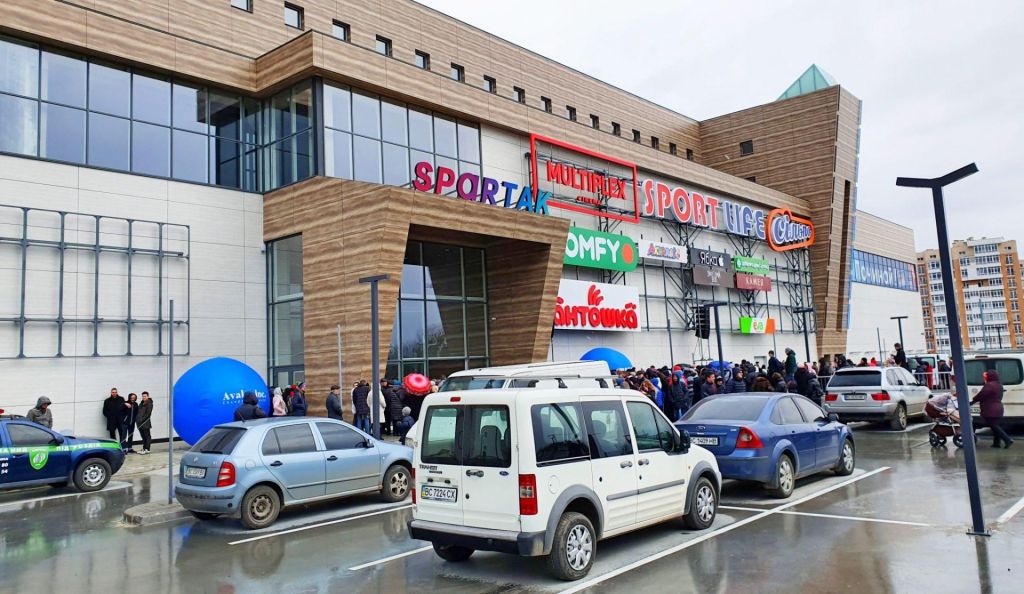
“Sport creates a constant rhythm of life within a shopping center. This flow of visitors is stable, predictable, and high-quality — because it attracts an active, socially engaged audience with above-average income,” she notes in her blog.
According to Roksolana Pyrtko, sports infrastructure serves as an “anchor” for complementary tenants — cafés, beauty salons, pharmacies, and health food stores. After training sessions, visitors use other services within the mall, creating a “chain activity effect.” Such spaces benefit not only owners but also partners and brands seeking a stable, loyal audience.
Beyond the economic impact, sports help strengthen reputational resilience. A shopping center with a clear sports identity becomes associated with activity, trust, and quality of life. This approach enables long-term relationships with visitors and strengthens brand positioning even during market fluctuations.
“The sports component is not an unprofitable expense but a strategic advantage. It generates steady traffic, builds community trust, fosters partnerships, and increases the reputational value of the business,” concludes Roksolana Pyrtko.